/filters:quality(90)/fit-in/970x750/coros-web-faq/upload/images/6c0fe2bce3a0e95279caff0aca3cd35e.jpg)
Kilian Jornet's original training plan for this year's Western States 100 has sat untouched for six weeks. The day after Zegama, an MRI confirmed a horizontal rupture in the lateral meniscus, cartilage damage, and edema. With North America's most prestigious trail race on the horizon, the prep he'd envisioned was no longer on the table.
What followed was exercise in adjustment: identifying what Kilian could still train, accepting what he could not, and using every available signal to understand how his body was responding.
The Decision Point
An injury close to a major race creates two separate problems.
The first is physical: what can the athlete safely continue to train?
The second is strategic: which parts of the original preparation still matter when time and options are limited?
“I had to reassess my expectations and understand that my preparation was not going to be ideal,” he says. “I started viewing this as an interesting challenge to see how well I could perform at Western States with a very unconventional preparation.”
What separates Kilian isn't some physical invulnerability; it's the way he responds when things go sideways. It's very tempting to try and force the original plan. Kilian assessed the MRI honestly, weighed his options, and chose the path that gave him the best shot at Western States without gambling with his long-term health.
Honest, Imperfect Training
The first priority was clear: stop the impact and allow the inflammation to settle.
“The priority was to stop the impact to get rid of the edema,” Kilian explains. “Psychologically, I had to shift my mindset. It was no longer about executing a perfect, high-volume training block.”
The edema had to clear before anything else could happen, and the impacts of flat and downhill running were making it worse. So he got on the bike.
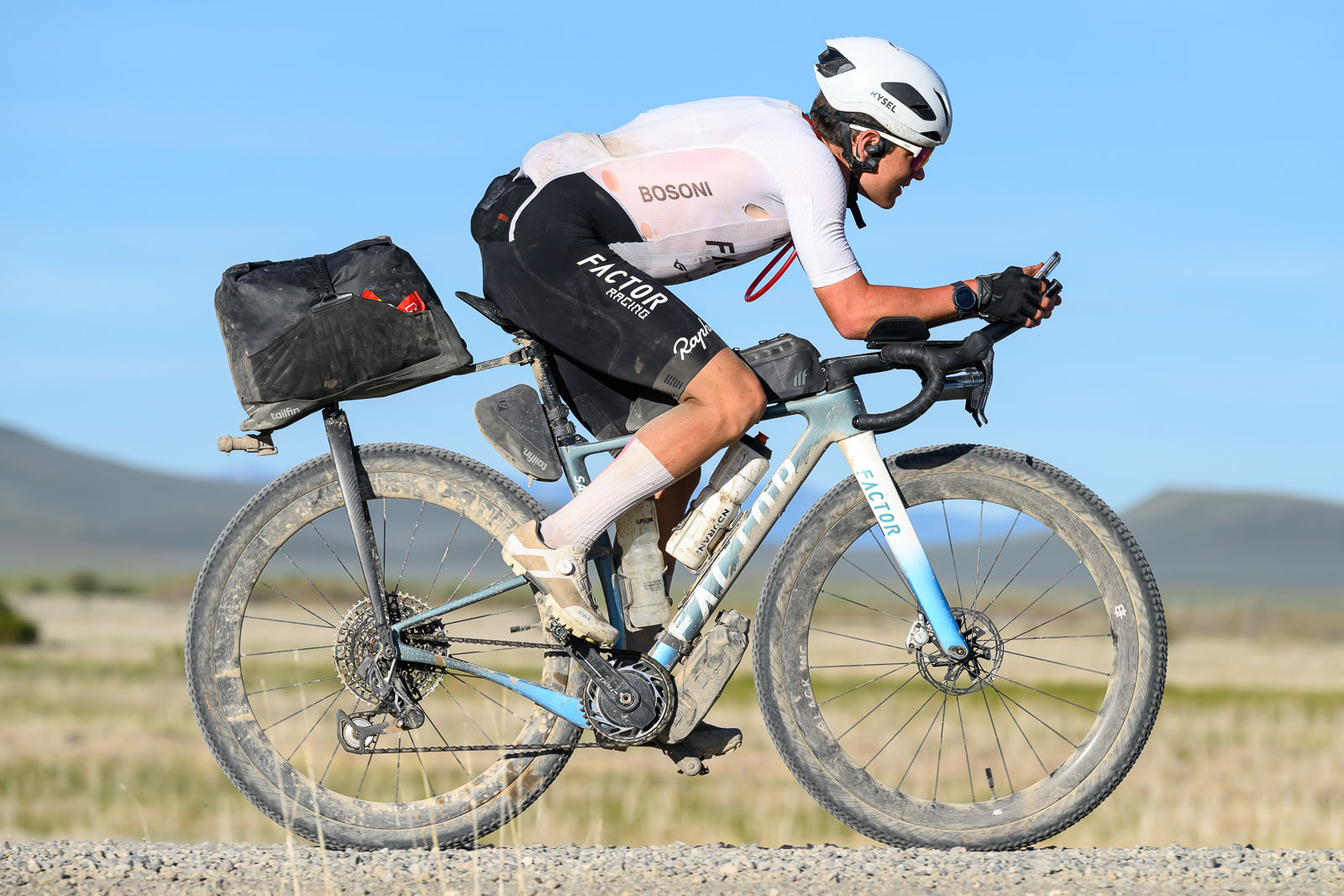
“The bike allowed me to keep pushing my aerobic engine and flush out the edema without damaging the knee,” he says.

Cross-training allows runners to maintain aerobic work while reducing impact. COROS athletes can use Training Load to compare the physiological stress of activities such as running and cycling within one broader view of their training. In a previous article, Kilian shared with us Six reasons to Cross-Train.
“Moving differently and doing different exercises helps you stay active and engaged in the process instead of just sitting and worrying,” he says. “It gives you a sense of control and reminds you that, even if you aren’t running, you are still doing the work.”
When running returned, Kilian selected steep inclines of around 25 degrees, where he could run actively uphill while reducing speed and impact.
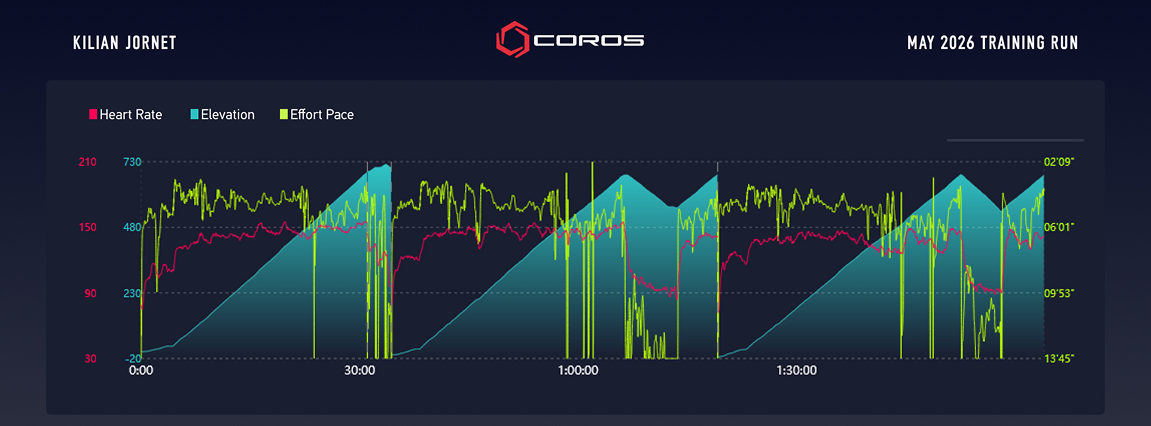
After a careful recovery period, Kilian gradually reintroduced volume over the past two weeks, including some significant trail sessions.
Keeping What You Can, Letting Go of the Rest
While cycling could preserve much of his cardiovascular side, and uphill running could rebuild his strength, neither could fully prepare his legs for the demands of Western States.
“You have to look at what systems you can safely train and what the race demands,” Kilian explains. “I was able to keep building my metabolic and cardiovascular endurance through cycling and steep uphill sessions.”
And then, there's what he had to sacrifice.
“I had to let go of the neuromuscular conditioning required for fast, flat running and heavy downhill impact. For a race like Western States, letting go of that specific preparation is a gamble, but when you are injured, physiology dictates the rules.”
As Kilian points out, general fitness and race readiness are not the same. An athlete can maintain strong cardiovascular condition while losing some of the movement efficiency, tissue tolerance, and eccentric strength required by a specific course. Kilian’s adapted preparation protected what could be maintained, but it could not remove the uncertainty around the demands he has been unable to rehearse.
Staying Balanced & Avoiding the Injury Cycle
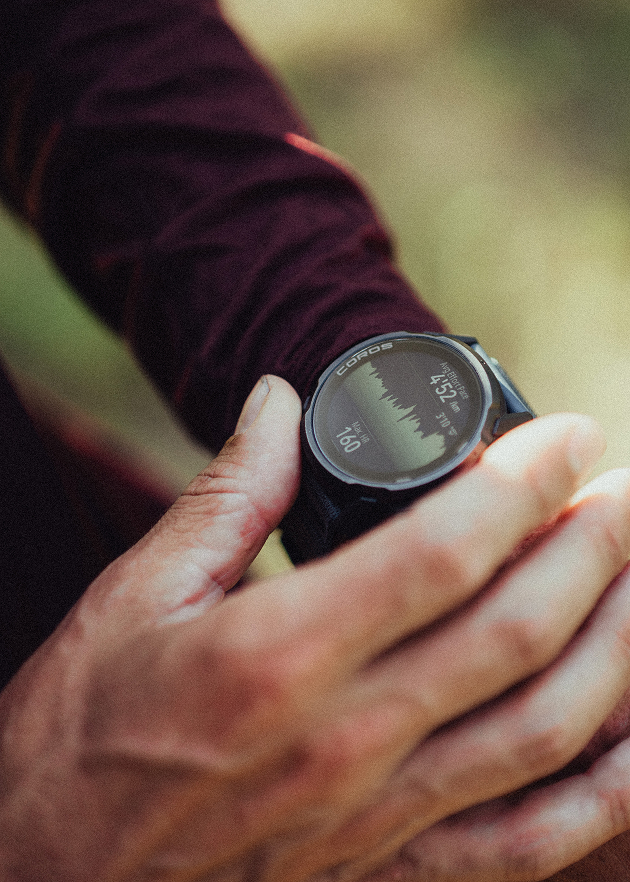
When Kilian was back on his feet and logging real training again, he leaned on the COROS POD 2 to make sure his body wasn't quietly compensating in ways that could create a second problem.
Injury compensation is a real risk during return-to-run. When one side hurts, athletes naturally offload to the healthy leg, sometimes without feeling it. Over time, that asymmetry can build its own set of problems.
The POD 2 gave him visibility into that. Kilian tracked stride metrics to confirm he was loading both legs evenly and that the affected side was actually coming back online rather than just being protected by the good one.
"Metrics on biomechanics like right/left balance, ground contact time, or power — to be sure I was not forcing one leg more during the sessions and that I was getting more equal on both legs — was key," he said.
No individual metric could tell him whether his knee was healed. Together, however, these insights could reveal whether his movement was becoming more symmetrical as he reintroduced impact.
It's a practical use case that applies well beyond elite racing. Any runner coming back from a lower-body injury is a candidate for unintentional compensation. The data doesn't lie about it the way perceived effort can.
The COROS POD 2 Guide explains how to interpret these metrics, while Running Form Test: From Data to Action explores how balance can be used when monitoring changes in running form.
Training is an Open Experiment
Jornet's approach to this whole situation is consistent with how he talks about the sport at large. Remove the result as the only marker of success, and approach problems with curiosity of seeing what the body can do under unusual circumstances.
For everyday athletes, this may be the most relevant part of Kilian’s preparation. Few will face the specific demands of Western States, but almost every athlete will eventually see a training plan interrupted by injury, illness, work, family, or life.
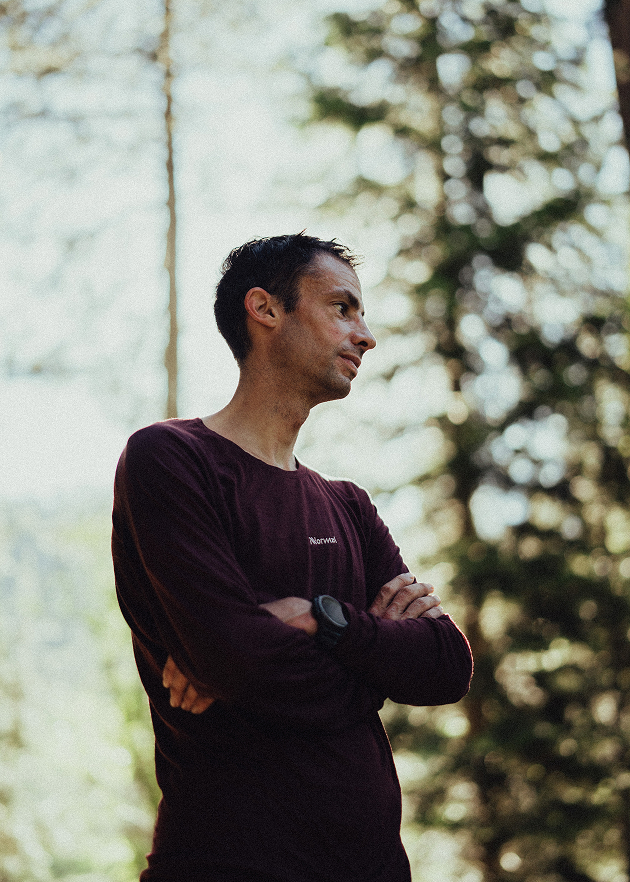
“Sports, just like life, are never a linear progression. If you try to force the original plan when your body is compromised, you will only break yourself further. If racing will cause serious long-term damage, you have to be smart and step back. But if the pain is manageable, approach the race with curiosity rather than pressure.”
That's the mindset he's carried through ever since Zegama. It doesn't guarantee a result, but it shapes how he's arrived at the start line.
Kilian is heading to Western States with a cardiovascular engine that's still sharp and a knee that's made real progress, but without the volume of race-specific conditioning he'd normally have. What started as a race against recovery has turned into a test of what's actually possible with a different kind of preparation. For Kilian, that's the kind of challenge worth showing up for.