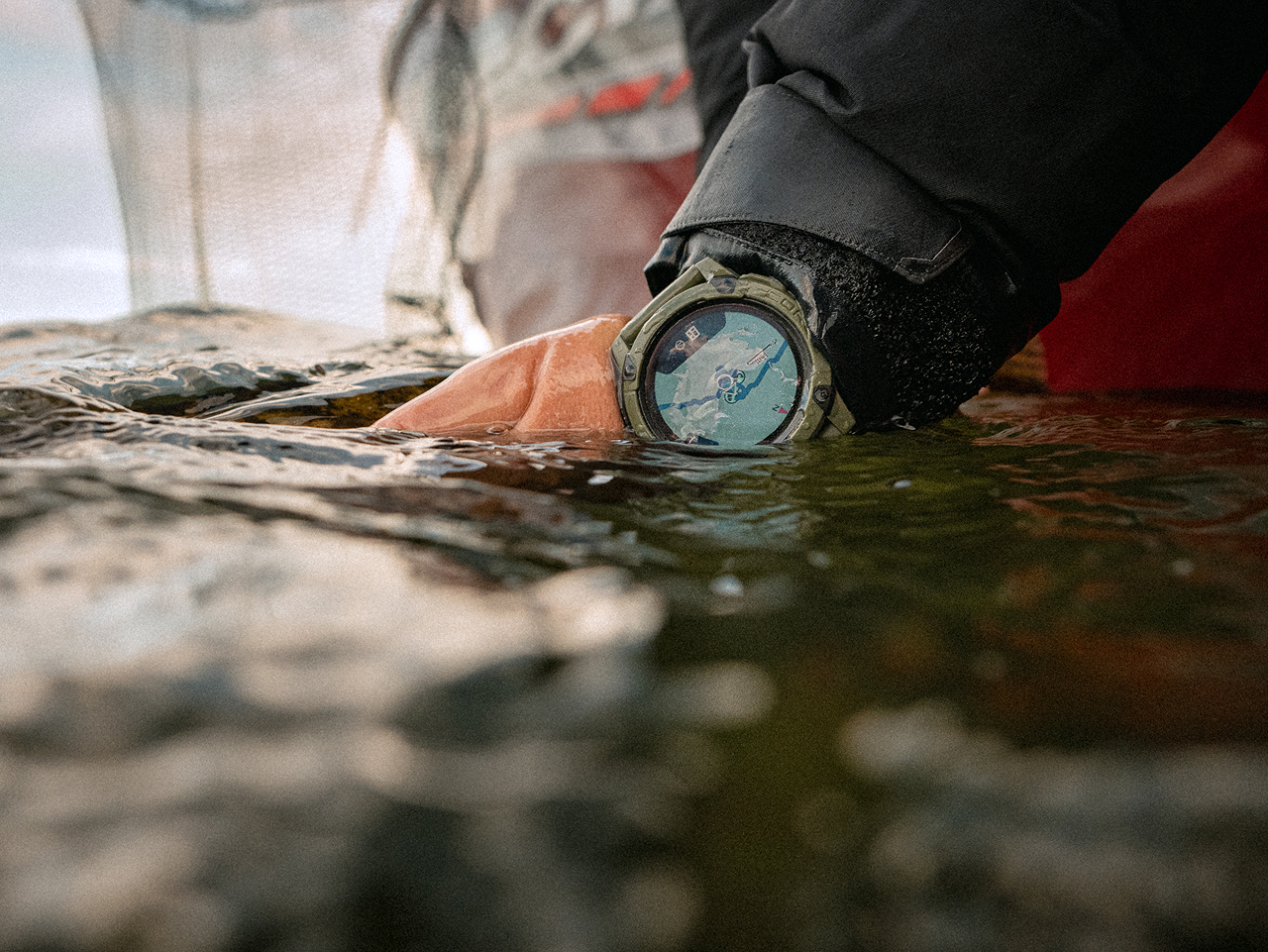
/filters:quality(90)/fit-in/970x750/coros-web-faq/upload/images/4d1b547d4fb77854691358993f8ed4b0.jpg)
Shore bass fishing is a discipline as exciting as it is demanding. This iconic coastal fish doesn’t give itself up easily, and catching it largely depends on the angler’s ability to read and anticipate their environment. A poor understanding of these conditions significantly increases the role of luck. Among the key factors for success (and safety), knowledge of tides and corresponding water levels is essential.
Tides and Water Levels: Safety First, Effectiveness Second
Before even thinking about gear and techniques, safety must be the priority. Fishing from shore often involves navigating rocky areas, points, exposed beaches, or tidal flats that can quickly become dangerous. A rising tide that’s poorly anticipated can cut off your retreat, isolate you, or make returning perilous due to waves and currents.
As an anecdote, I almost got stranded on a sandbar during my first shore fishing trip. Coming from freshwater fishing, I had no experience and didn’t notice the water rising. By sheer luck, I happened to turn to watch a bird and saw the ocean slowly engulfing the sandbar behind me. Monitoring tide schedules carefully helps prevent these risky situations and allows for confident planning of movements.
Beyond safety, tides also drive bass activity (and that of much of the ocean’s flora and fauna). Currents generated by tidal changes move food and create prime hunting zones: current seams, breaks, rocky edges, gently sloping beaches, and bay entrances. Understanding water levels helps you know where to position yourself and when. Here are a few points to keep in mind, without treating them as strict rules:
- At mid-rising tide, bass often move closer to edges to hunt.
- At high tide, they may approach very close to shore or exploit newly submerged areas.
- At falling tide, they reposition along channels and passage areas.
Mastering these factors turns a simple outing into a true strategic approach, where every hour counts.
The COROS NOMAD: Master the Conditions!
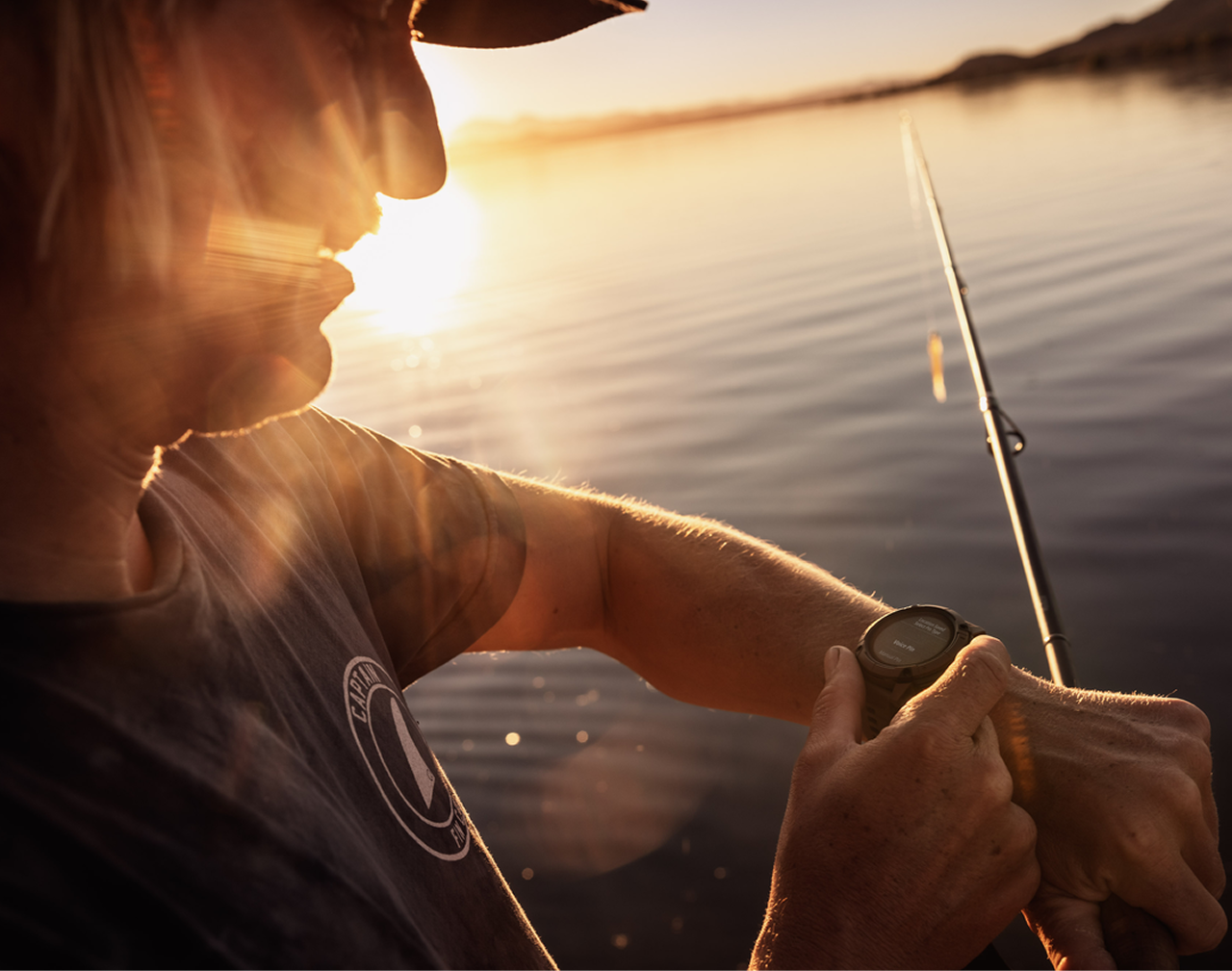
In this pursuit of precision and anticipation, having a reliable tool makes all the difference. For me, the NOMAD quickly became an essential companion for planning my annual coastal trips.
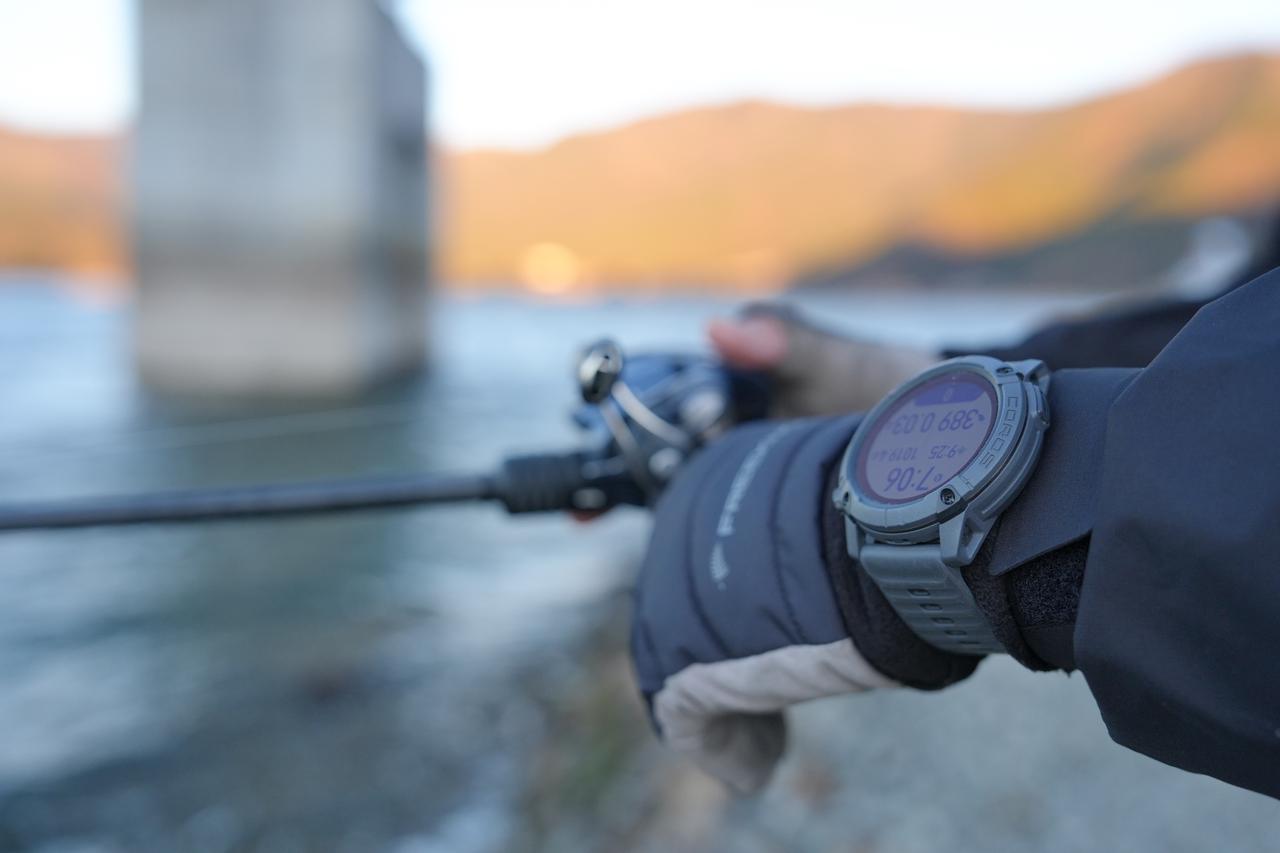
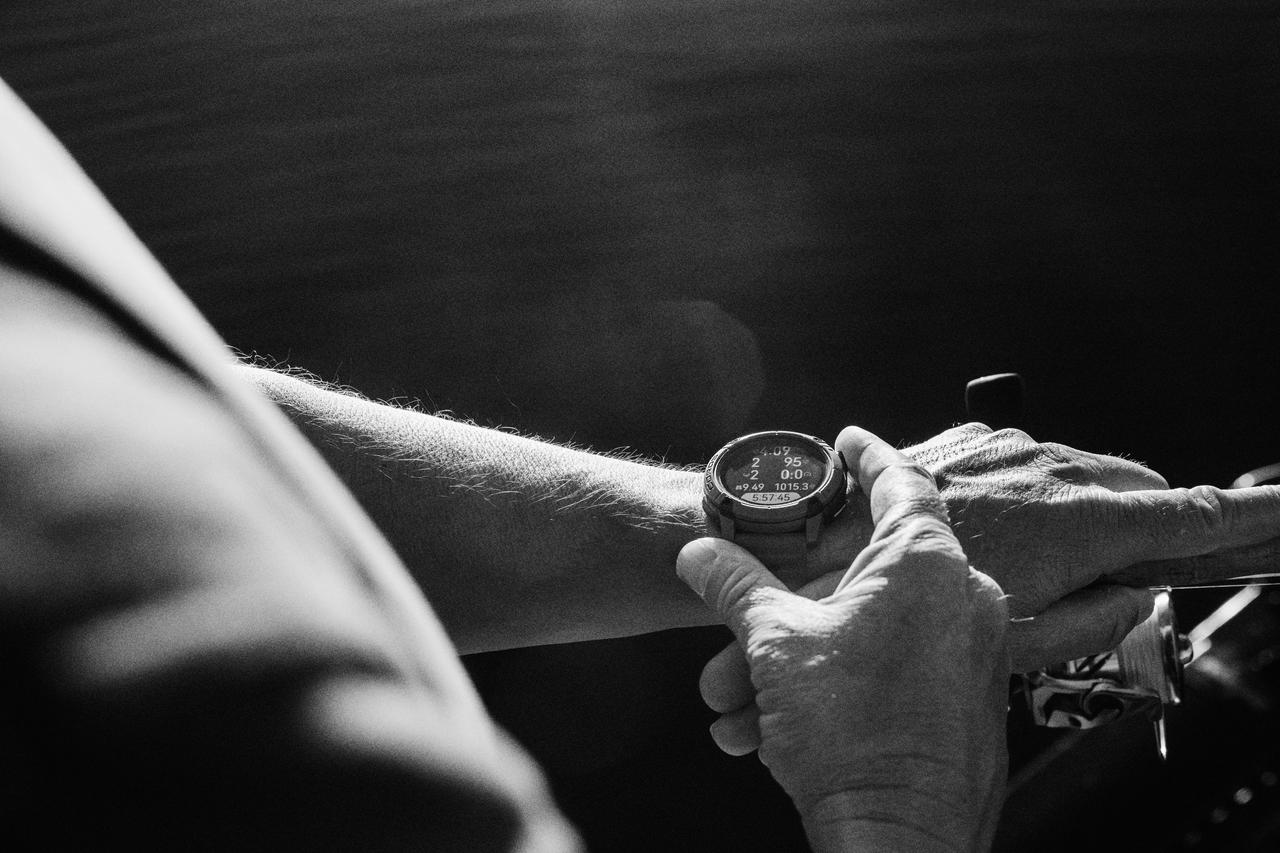
With its features dedicated to time and environmental tracking, it allows quick access to tide schedules, helps anticipate changing conditions, and keeps focus on what matters most. Programmable alerts prevent surprises from sudden rising water, enhancing safety in the field.
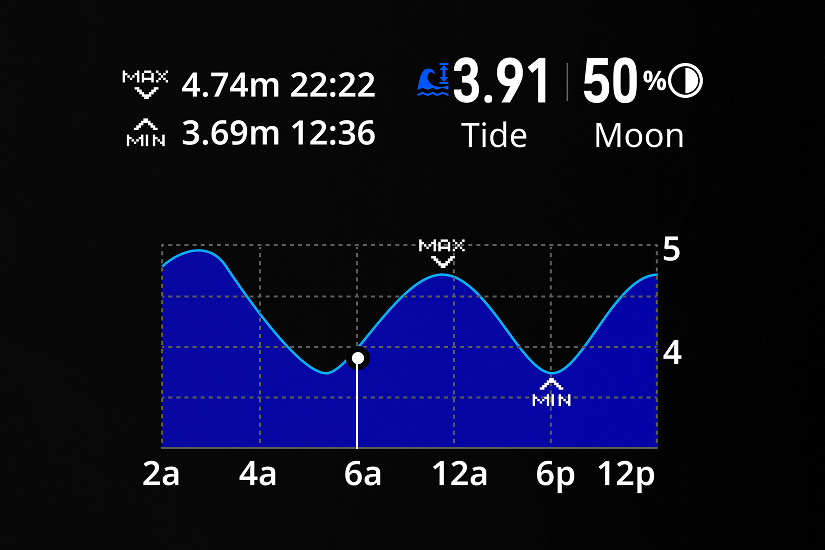
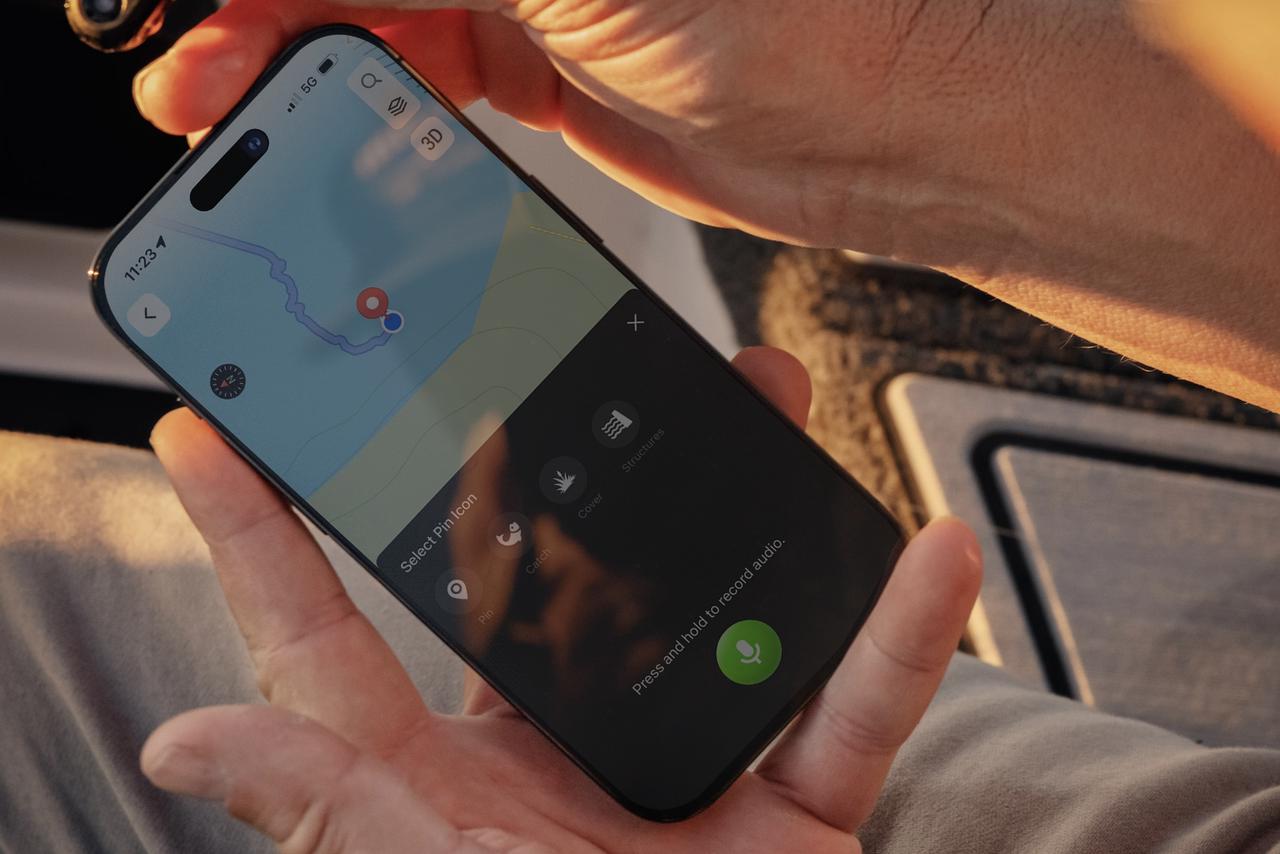
Its integrated GPS is also invaluable for accurately marking your spots, analyzing movements, and returning to productive zones at the right tide stages and water heights. By logging your catches during outings, you automatically record conditions (tide stage and water level) along with the exact location of each catch. This gives you all the information you need to return at the optimal time.
By combining your experiences with the NOMAD’s tracking, it becomes easy to build a modern, precise fishing log (accessible via the smartphone app), ensuring you never miss important details.